Water is behind a large share of home insurance claims, and it is also behind many of the most frustrating denials. The same puddle on the floor can be fully covered, partly covered or excluded depending on where the water came from and how long it had been leaking.
This guide sorts water damage into the categories standard homeowners and renters policies use, shows which are usually covered, explains the endorsements that fill the common gaps (water backup and flood), and gives a short checklist for what to do in the first hours after you find water. Arizona readers will find a note on monsoon storms, when flash flooding and roof leaks often arrive together.
Covered or not: the source of the water
Standard policies separate water losses into a few buckets. The pattern below holds for most homeowners (HO-3) and renters (HO-4) forms, but your policy's wording controls.
| Source of water | Usually covered? | Why |
|---|---|---|
| Pipe bursts suddenly inside a wall | Yes | Sudden and accidental discharge from plumbing is a named covered peril |
| Dishwasher, washing machine or water heater suddenly leaks | Yes, for the resulting damage | The appliance itself is often not covered, but the water damage it causes is |
| Pipes freeze and burst | Usually yes | Unless the home was unoccupied and you did not keep heat on or drain the system |
| Slow leak under a sink for months | Often no | Continuous or repeated leakage and wear, rot or neglect are commonly excluded |
| Rain enters through a storm-damaged roof | Usually yes | Wind or hail first created the opening |
| Rain seeps through an old, worn roof | Often no | Wear and tear and maintenance issues are excluded |
| Sewer or drain backs up into the house | No, unless you add water backup coverage | Specific exclusion in most forms |
| Sump pump fails or overflows | No, unless endorsed | Specific exclusion in most forms |
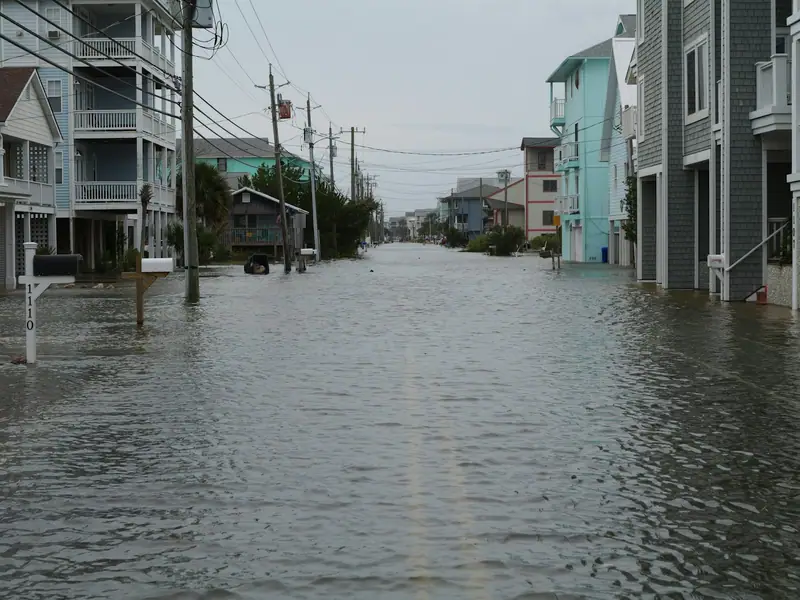
| Flood, surface water, flash flooding, overflowing river | No | Flood is excluded; it needs a separate flood policy |
| Groundwater seeping through a foundation | No | Excluded as water below the surface |
For example, one renters form filed with the Nevada Division of Insurance covers "accidental discharge or overflow of water or steam from within a plumbing, heating, air conditioning or automatic fire protective sprinkler system, or from within a household appliance," but not damage to the appliance the water came from. The same form excludes flood and surface water, water below the ground's surface, water that backs up through sewers or drains from outside the home's plumbing, and sump pump overflow.
Sudden vs. gradual: the line that decides most claims
Most coverage disputes over water hinge on one question: was this sudden, or did it develop over time? Insurers cover the first and exclude the second because gradual leaks are treated as maintenance. Many homeowners forms specifically exclude continuous or repeated seepage or leakage over a period of weeks or longer, along with resulting rot, mold and deterioration.
That matters for how you describe and document a loss. If a supply line bursts on Tuesday and you find it Tuesday night, say so, photograph the failed part and keep it. If you noticed a stain on the ceiling months ago and ignored it, the damage that grew from it may be denied. The practical lesson is simple: report and fix leaks as soon as you see them, and keep the plumber's invoice.
Common misunderstandings
A few situations are routinely misunderstood:
- The pipe itself. Policies generally cover the damage the water causes, not the cost to repair a worn-out pipe or the appliance that failed. Many homeowners forms do pay to tear out and replace the part of the wall or floor needed to reach the leaking system, then put it back.
- Mold. Mold that results from a covered, sudden water loss may be covered, often subject to a low sublimit. Mold from long-term humidity or an ignored leak usually is not.
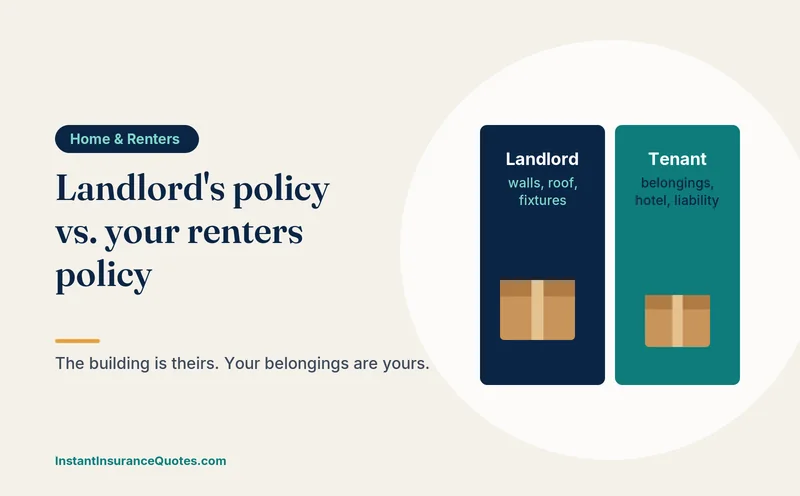
- Water from a neighbor's unit. If an upstairs tub overflows into your apartment, your renters policy pays for your belongings and your extra living costs; your insurer may then pursue the neighbor. The building repairs are the landlord's or association's responsibility.
- Swimming pools and hot tubs. Leaks from a pool's plumbing or water seeping from the pool into the ground are commonly excluded.
- Vacant homes. Freeze and water damage coverage can shrink or disappear if the home is vacant or unoccupied beyond a set period. Tell your insurer before leaving a home empty for months.
Endorsements and policies that fill the gaps
Two endorsements and one separate policy close the biggest water gaps.
| Coverage | What it adds | Who should consider it |
|---|---|---|
| Water backup and sump discharge endorsement | Damage from water backing up through sewers or drains, or overflowing from a sump pump, up to a chosen limit such as $5,000 to $25,000 | Homes with basements, sump pumps, older sewer lines, or ground-floor apartments |
| Flood insurance (NFIP or private) | Damage from flooding, including flash floods and surface water, for the building and/or contents | Anyone in a flood zone, and many outside one; renters can buy contents-only |
| Service line coverage | Repair of buried water and sewer lines on your property that you are responsible for | Owners of older homes with long service lines |
Flood policies from the National Flood Insurance Program generally take effect after a 30-day waiting period, with limited exceptions such as a purchase tied to a new mortgage. That means you cannot wait until a storm is in the forecast. Our flood insurance guide covers NFIP limits and how to check your flood risk.
Arizona note: summer monsoon storms can bring wind-driven rain through damaged roofs, which a homeowners policy may cover, and flash flooding across streets and yards, which it will not. Many Arizona homes outside high-risk flood zones have no flood coverage at all, so it is worth asking what a contents or building flood policy would cost before the season starts.
Sponsored note: For homeowners: insurance may pay for sudden water damage, but generally not for repairing the worn-out pipe, water heater or appliance that caused it. A home warranty is a separate service contract, not insurance. It typically pays to repair or replace covered home systems and appliances that break down from normal wear and tear, which homeowners insurance generally does not cover. Plans, limits, exclusions and service fees vary, so read the contract before buying. To see what a plan would cost, compare a home warranty quote from Choice Home Warranty (sponsored).
What to do in the first hours
- Stop the water. Shut off the main valve or the fixture valve. Know where your main shutoff is before you need it.
- Stay safe. Turn off electricity to wet areas if you can do so safely. Do not walk through water near outlets or appliances.
- Document before cleanup. Take wide and close-up photos and video of the source, the damage and the water line on walls. Keep the failed part.
- Prevent further damage. Most policies require you to take reasonable steps to protect property. Move belongings, run fans, and call a water mitigation company if the area is large. Keep receipts; reasonable mitigation costs are typically part of the claim.
- Notify your insurer promptly. Policies require prompt notice. Renters should also notify the landlord in writing for building repairs.
- Do not throw everything away immediately. The adjuster may want to see damaged items. If something must go for health reasons, photograph it first and note the brand, model and age.
- Track extra costs. If the home is unlivable, save receipts for hotels and extra meals for a loss of use claim.
Our step-by-step guide to filing a home or renters claim covers what happens after that first call.
Rebuilding a bathroom after a covered leak?
Once the adjuster has inspected the damage and the repair is approved, you may be choosing a new vanity, toilet or shower door. Independent retailer. We may be paid when you visit or buy. Not a ranking or a full list of the market.
An online store for bathroom remodel products: vanities with sinks, toilets, shower doors, shower bases and pans, and lighted medicine cabinets.
Browse bathroom vanities and fixtures →Sponsored · Affiliate linkA claim generally pays to repair or replace damaged property with materials of like kind and quality, so upgrades beyond that are usually your own cost. Confirm what your adjuster's estimate allows before you buy, and keep every receipt. How we earn money.
Preventing water claims
- Replace rubber washing machine hoses with braided steel and check them yearly.
- Install inexpensive water sensors under sinks, the water heater and the washer; some insurers offer discounts for smart leak detection or automatic shutoff valves.
- Have the water heater inspected and replaced near the end of its rated life.
- Keep gutters and roof drains clear before storm season.
- If you leave for an extended trip, shut off the main water supply.
- Fix slow leaks right away and keep the invoice as proof the problem was addressed.
Questions readers ask
Does homeowners insurance cover a burst pipe?
Usually yes for the resulting water damage, if the burst was sudden and accidental. The pipe repair itself and damage from long-term leaks are commonly excluded.
Does renters insurance cover water damage?
It covers your belongings for covered water losses such as a burst pipe or an appliance overflow, plus extra living costs if the unit becomes unlivable. Flood and sewer backup are usually excluded unless endorsed.
Is flash flooding covered?
Not by standard homeowners or renters policies. Flood, including flash flooding and surface water, requires a separate flood policy.
Will a water claim raise my premium?
It can. Insurers share claims history through databases, and water claims are often viewed as a predictor of future claims. Small losses close to your deductible may not be worth filing; weigh the payout against possible premium increases.
How long do I have to report water damage?
Policies require prompt or immediate notice rather than a fixed number of days, and delay can let damage spread, which the insurer may not cover. Report as soon as you can.
Sources and further reading
Sources checked October 25, 2026. Figures are the latest published by each source at that date.
- Sample renters policy form CHO-6004 (water perils and exclusions), filed with the Nevada Division of Insurance
- FloodSmart.gov: National Flood Insurance Program, coverage and waiting periods
- NAIC: Homeowners insurance consumer resources
- Arizona Department of Insurance and Financial Institutions: consumer help
General educational information, not advice for your situation. Policy wording, state law and the insurer's decision control actual coverage. Written and edited by K.R. Not reviewed by a licensed insurance agent; confirm details with a licensed professional or your insurer. Examples use hypothetical figures unless a source is named. Report a correction.
Use our worksheet to compare premiums, deductibles, and coverage differences. Your entries stay in this browser tab.
Open the quote comparison worksheetHomeowners insurance: sponsored quote partners
Independent companies. We may be paid when you visit or apply. Not a ranking or a full list of the market.
Compare auto, home, renters and pet insurance options from one request.
Get quotes at Truvo →Sponsored · Affiliate linkA home warranty is a service contract, not insurance. It can cover repair or replacement of covered home systems and appliances that break down from normal wear and tear. Limits, exclusions and service fees apply.
Get a home warranty quote →Sponsored · Affiliate link · Homeowners onlyRates, eligibility and coverage are set by each provider. Read its terms and privacy policy before applying. How we earn money.