Auto & Vehicle
Car Insurance Deductibles Explained: How to Choose the Right Amount
Balance premium savings with the amount you could comfortably pay after a claim.
Liability limits, physical-damage coverage, deductibles and the questions that make two car insurance quotes truly comparable.
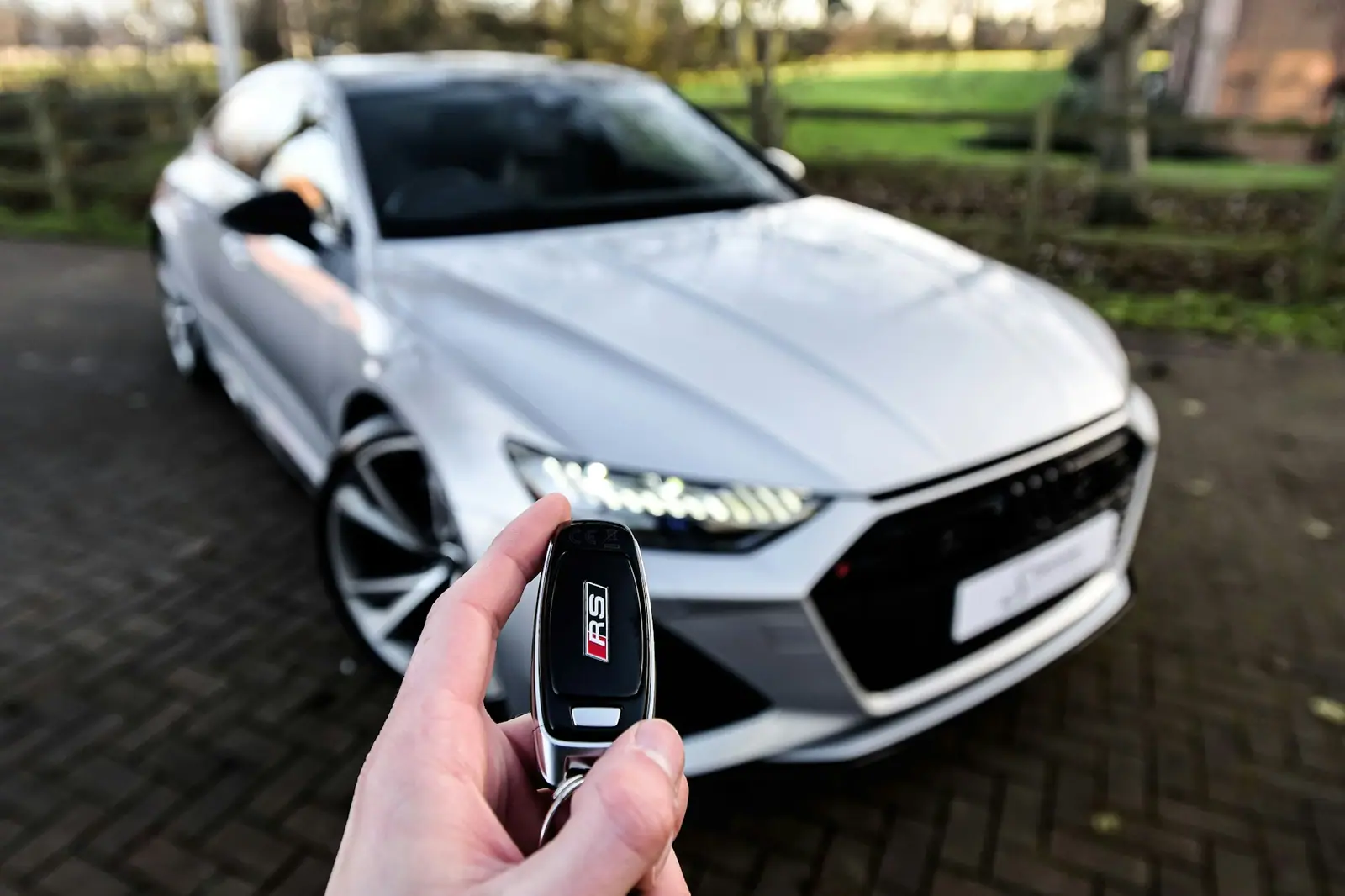
Photo: Swansway Motor Group on Unsplash
A car insurance policy is really a bundle of separate coverages, each with its own limit, deductible and rules. Two quotes that look similar on price can protect you very differently, so it helps to know what each part does before you start comparing.
Insurers weigh your driving record, the vehicle, how and where it is garaged, annual mileage, the drivers on the policy, prior coverage and, in many states, credit-based insurance scores. Choosing higher deductibles lowers the premium but raises what you pay after a claim. If your car is financed or leased, the lender will usually require collision and comprehensive and may cap your deductible.
Ask every insurer to quote the same drivers, vehicles, limits and deductibles, then compare the annualized cost including fees. Note any coverage one quote adds or drops, and ask how claims are handled. Our quote comparison worksheet puts two written offers side by side, and the guides below walk through each decision in more detail, including RV and motorcycle coverage, which often needs its own policy.
Balance premium savings with the amount you could comfortably pay after a claim.
Learn why full coverage is not a standardized policy and what important gaps may remain.
Compare limits, deductibles, exclusions, discounts and claims service—not price alone.
Understand protection that may apply when an at-fault driver has no insurance or inadequate limits.
Reduce premiums responsibly through accurate information, discounts and equivalent comparison shopping.
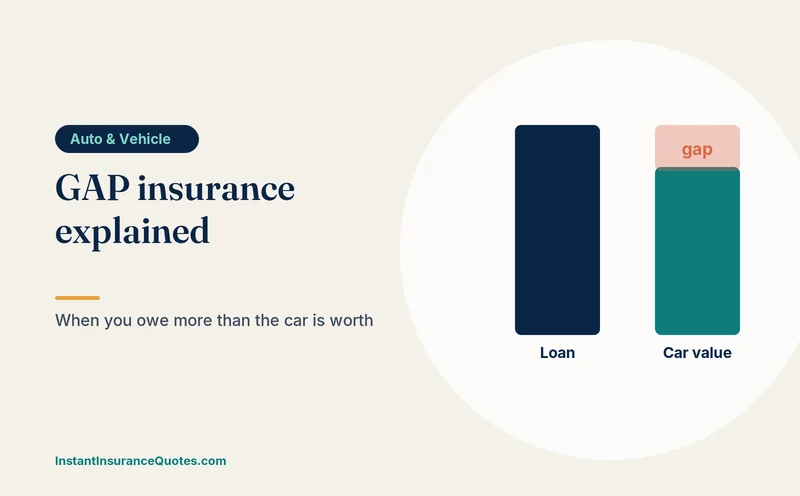
What GAP pays when a financed car is totaled, when you are likely underwater, three places to buy it and how to get a refund.
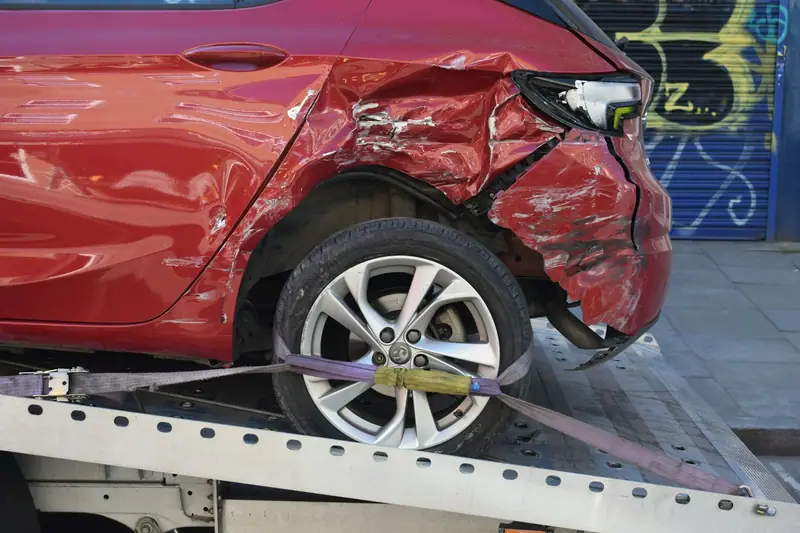
What to collect at the scene, your insurer vs. the other driver's, repairs, total losses, diminished value and Arizona deadlines.
Match vehicle, contents and parked liability protection to how you use the RV.
Use our quote request or go directly to a sponsored partner below. Read the guides first so you know which limits and deductibles to ask for.
Independent companies. We may be paid when you visit or apply. Not a ranking or a full list of the market.
Compare auto, home, renters and pet insurance options from one request.
Get quotes at Truvo →Sponsored · Affiliate linkRates, eligibility and coverage are set by each provider. Read its terms and privacy policy before applying. How we earn money.
Independent companies. We may be paid when you visit or apply. Not a ranking or a full list of the market.
Rates, eligibility and coverage are set by each provider. Read its terms and privacy policy before applying. How we earn money.
 Insurance FundamentalsInsurance Glossary: Plain-English Definitions
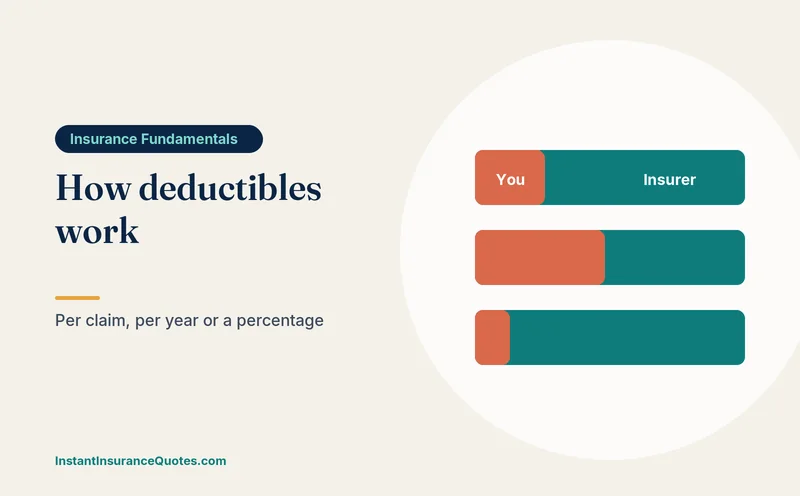 Insurance FundamentalsHow Insurance Deductibles Work Across Car, Home, Renters and Pet Policies
 Insurance FundamentalsInsurance Claim Documentation: Steps to Take After a Loss
 Insurance FundamentalsInsurance Exclusions and Endorsements: Why the Fine Print Matters