Home & Renters
Flood Insurance: The Gap to Check in a Homeowners Quote
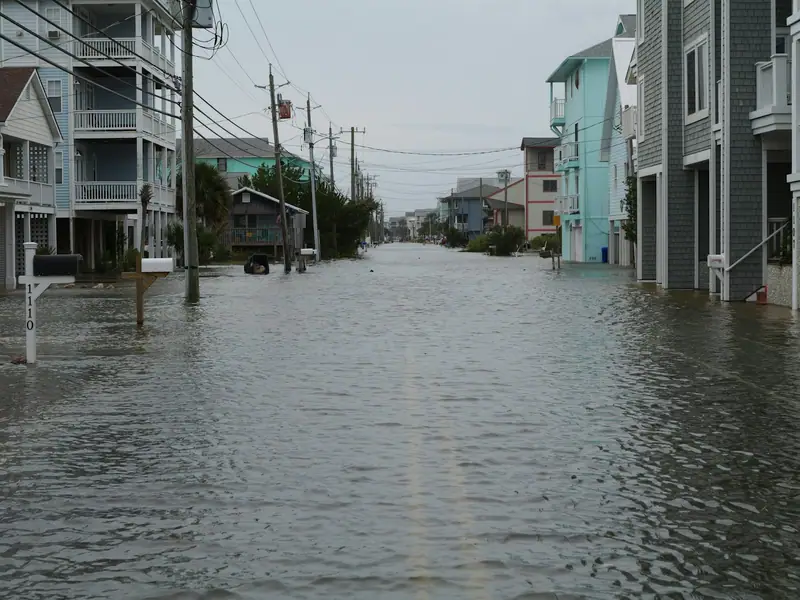
Review separate flood coverage, limits, deductibles, waiting periods and water exclusions.
What a homeowners or renters policy covers, where the common gaps are, and how to choose limits and deductibles you can live with.

Photo: Roger Starnes Sr on Unsplash
Whether you own a house, a condo or rent an apartment, a residential policy protects two very different things: your stuff and space, and your legal liability to other people. Getting the limits right on both matters more than shaving a few dollars off the premium.
A renters policy skips the building (that is the landlord’s responsibility) and focuses on belongings, liability and loss of use, which is why it is usually inexpensive. Condo owners typically need a policy that covers interior walls, fixtures and improvements, coordinated with what the association’s master policy covers.
Standard homeowners and renters policies generally exclude flood and earthquake, which require separate coverage; National Flood Insurance Program policies normally have a 30-day waiting period before they take effect. Wind or hail may carry a separate percentage deductible in some regions. Sewer backup, home-business equipment and short-term rentals are other common exclusions that may need an endorsement.
Estimate your rebuild cost, make a quick home inventory, decide on a deductible you could pay tomorrow, and ask each insurer for quotes using the same limits. The guides below cover each of these steps.
Review separate flood coverage, limits, deductibles, waiting periods and water exclusions.
Translate flat, wind, hurricane and percentage deductibles into real dollars.
Build a secure room-by-room record of belongings, receipts and identifying details.
See why reconstruction cost—not purchase price alone—usually drives dwelling coverage.
Understand the major protections packaged inside a homeowners policy.
Explore personal property, liability and temporary living expense protection for tenants.
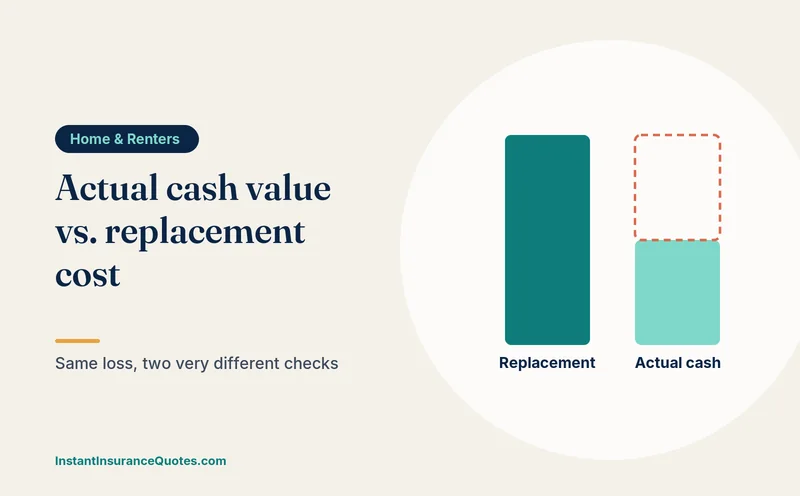
Why two people with the same loss can get very different checks, with depreciation math and the holdback explained.
Lender requirements, escrow, how to set the dwelling limit and a timeline for shopping before closing.
Your duties after a loss, what the adjuster needs, proof-of-loss deadlines and what to do if you disagree.
How much coverage a first-time renter needs, what it costs on average, and the gaps that surprise new tenants.
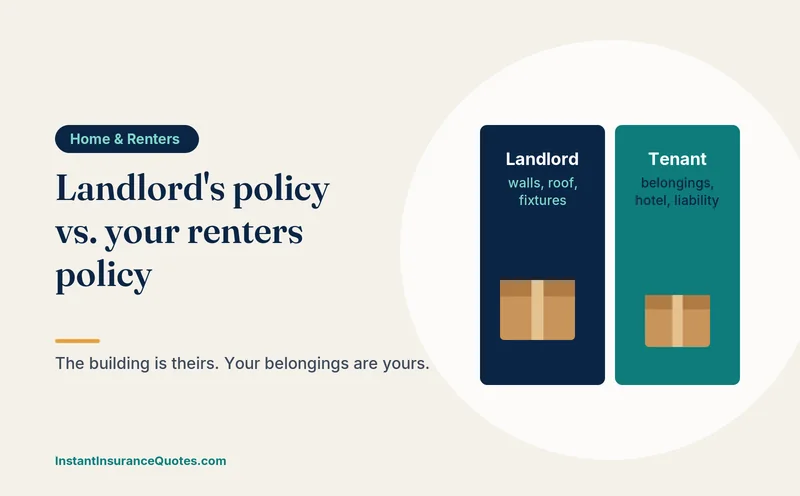
Fire, burst pipes, break-ins and floods: how a landlord's policy and a tenant's renters policy split the bill.
Burst pipes, slow leaks, sewer backups and floods: which water losses are covered and how to close the gaps.
Use our quote request or go directly to a sponsored partner below. Read the guides first so you know which limits and deductibles to ask for.
Independent companies. We may be paid when you visit or apply. Not a ranking or a full list of the market.
Compare auto, home, renters and pet insurance options from one request.
Get quotes at Truvo →Sponsored · Affiliate linkA home warranty is a service contract, not insurance. It can cover repair or replacement of covered home systems and appliances that break down from normal wear and tear. Limits, exclusions and service fees apply.
Get a home warranty quote →Sponsored · Affiliate link · Homeowners onlyRates, eligibility and coverage are set by each provider. Read its terms and privacy policy before applying. How we earn money.
Independent companies. We may be paid when you visit or apply. Not a ranking or a full list of the market.
Compare auto, home, renters and pet insurance options from one request.
Get quotes at Truvo →Sponsored · Affiliate linkRates, eligibility and coverage are set by each provider. Read its terms and privacy policy before applying. How we earn money.
 Insurance FundamentalsInsurance Glossary: Plain-English Definitions
 Insurance FundamentalsHow Insurance Deductibles Work Across Car, Home, Renters and Pet Policies
 Insurance FundamentalsInsurance Claim Documentation: Steps to Take After a Loss
 Insurance FundamentalsInsurance Exclusions and Endorsements: Why the Fine Print Matters