The National Weather Service defines Arizona's monsoon as June 15 through September 30. It brings downburst winds, flash floods, lightning, hail and dust storms (haboobs) that can arrive with little warning. Each of those hazards lands on a different part of your insurance: some on your auto policy, some on your home or renters policy, and one, flooding, usually on neither.
This guide maps monsoon damage to the coverage that typically responds, using DIFI's consumer guidance, and lists the claim steps DIFI recommends.
Which policy pays for what
| Damage | Policy that usually responds | Notes from DIFI |
|---|---|---|
| Hail dents or broken glass on your car | Auto comprehensive | Hail damage to a vehicle is typically covered by your auto policy if you carry comprehensive |
| Tree or pole falls on your car | Auto comprehensive | File under your auto policy if you carry comprehensive |
| Hail or wind damage to your roof, siding or windows | Homeowners (dwelling) | Homeowners policies generally cover hail damage to the home and personal property |
| Your tree falls on your house | Homeowners | You can file under your homeowners policy |
| Rain enters through a storm-damaged roof or wall | Homeowners or renters | Interior water damage may not be covered unless rain entered through an opening made by wind or hail |
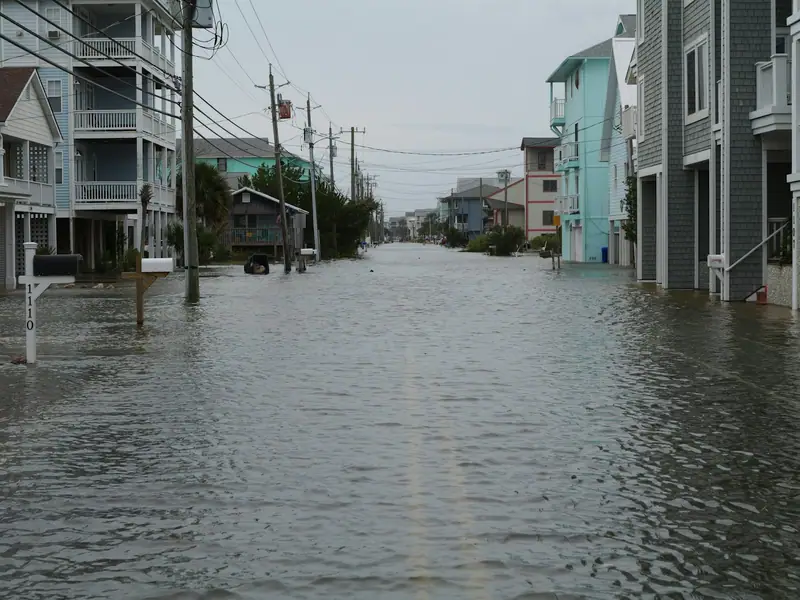
| Flood water rises into the home | Separate flood policy (NFIP) | Flooding is not covered by standard homeowners insurance |
| Car caught in flood water | Usually auto comprehensive | Not addressed on DIFI's page; confirm flood is a covered cause of loss in your comprehensive coverage |
| Mold or rot after water damage | Often excluded | Some insurers sell optional endorsements |
Haboobs and dust-storm crashes
NWS warns that a dust storm "usually arrives suddenly in the form of an advancing wall of dust and debris" and can cause chain-reaction pileups. Its advice: if dense dust is approaching, pull off the pavement as far as possible, stop, turn off your lights, set the parking brake and take your foot off the brake so your tail lights are not lit.
For insurance, a haboob crash is usually a collision claim for your own car and a liability claim for damage you cause to others. Fault is judged on the facts, including speed for conditions, so following NWS guidance matters for both safety and the claim. Wind-blown debris that damages a parked car is typically a comprehensive claim.
Filing a storm claim
- Document damage right away with photos and video (DIFI).
- Contact your insurer before you repair, clean or throw anything away, so it can evaluate the damage. DIFI warns a claim could be denied if you repair first.
- Take reasonable steps to prevent more damage, such as tarping a roof or boarding a window, and keep receipts and photos of that work.
- If you call only to ask questions, say clearly that it is an "inquiry" and not a claim (DIFI).
- Compare the repair estimate with your deductible. Hail and wind claims may carry a separate percentage deductible on some home policies; see our home deductible guide.
Avoiding post-storm scams
DIFI warns that after widespread storm damage, people often show up uninvited offering inspections and repairs, and that these scams lead to poor work and inflated bills. Before signing anything:
- Ask your insurer for an official inspection and a contractor referral.
- Verify the contractor's license with the Arizona Registrar of Contractors.
- Verify any independent adjuster's license on DIFI's license search.
Get ready before June 15
A quiet May is the time to check: do you carry comprehensive on each car, what is your home's wind/hail deductible in dollars, and do you need flood coverage? Keep a current home inventory (our inventory guide shows how) and estimate your belongings with our contents value estimator. If you rent, our renters guide explains what a policy covers when the landlord's roof fails.
Questions readers ask
Does car insurance cover hail damage in Arizona?
Yes, if you carry comprehensive coverage. DIFI says hail damage to a vehicle is typically covered under comprehensive.
Does homeowners insurance cover monsoon roof damage?
Generally yes for wind and hail damage, subject to your deductible and policy terms. Flood damage is not covered by a standard homeowners policy.
Is flood damage covered by homeowners insurance in Arizona?
No. DIFI says flooding requires a separate flood policy, such as one through the National Flood Insurance Program.
Who pays if I crash in a haboob?
Your collision coverage for your own car and your liability coverage for damage to others, depending on fault.
When is monsoon season in Arizona?
The National Weather Service defines it as June 15 through September 30.
Sources and further reading
Sources checked October 26, 2026. Figures are the latest published by each source at that date.
- Arizona DIFI: Home insurance consumer information (storms, flood, claims, contractor scams)
- National Weather Service Tucson: Monsoon safety (June 15–September 30)
- National Weather Service: Dust storms and haboobs safety
- Arizona Registrar of Contractors
General educational information, not advice for your situation. Policy wording, state law and the insurer's decision control actual coverage. Written and edited by K.R. Not reviewed by a licensed insurance agent; confirm details with a licensed professional or your insurer. Examples use hypothetical figures unless a source is named. Report a correction.
Add up what your belongings would cost to replace, room by room, and compare it with your policy limit. Calculations run in your browser; nothing is sent to us.
Open the contents value estimatorHomeowners insurance: sponsored quote partners
Independent companies. We may be paid when you visit or apply. Not a ranking or a full list of the market.
Compare auto, home, renters and pet insurance options from one request.
Get quotes at Truvo →Sponsored · Affiliate linkA home warranty is a service contract, not insurance. It can cover repair or replacement of covered home systems and appliances that break down from normal wear and tear. Limits, exclusions and service fees apply.
Get a home warranty quote →Sponsored · Affiliate link · Homeowners onlyRates, eligibility and coverage are set by each provider. Read its terms and privacy policy before applying. How we earn money.